
Introduction
In the world of apparel, few items have stirred as much controversy as the Trump shirt. These garments, often featuring slogans, caricatures, or campaign logos, became symbols of a polarized era in American politics. Beyond their role as political statements, the popularity of Trump shirts also reveals important lessons about branding, marketing, and the relationship between business and politics.
Origins of the Trump Shirt Phenomenon
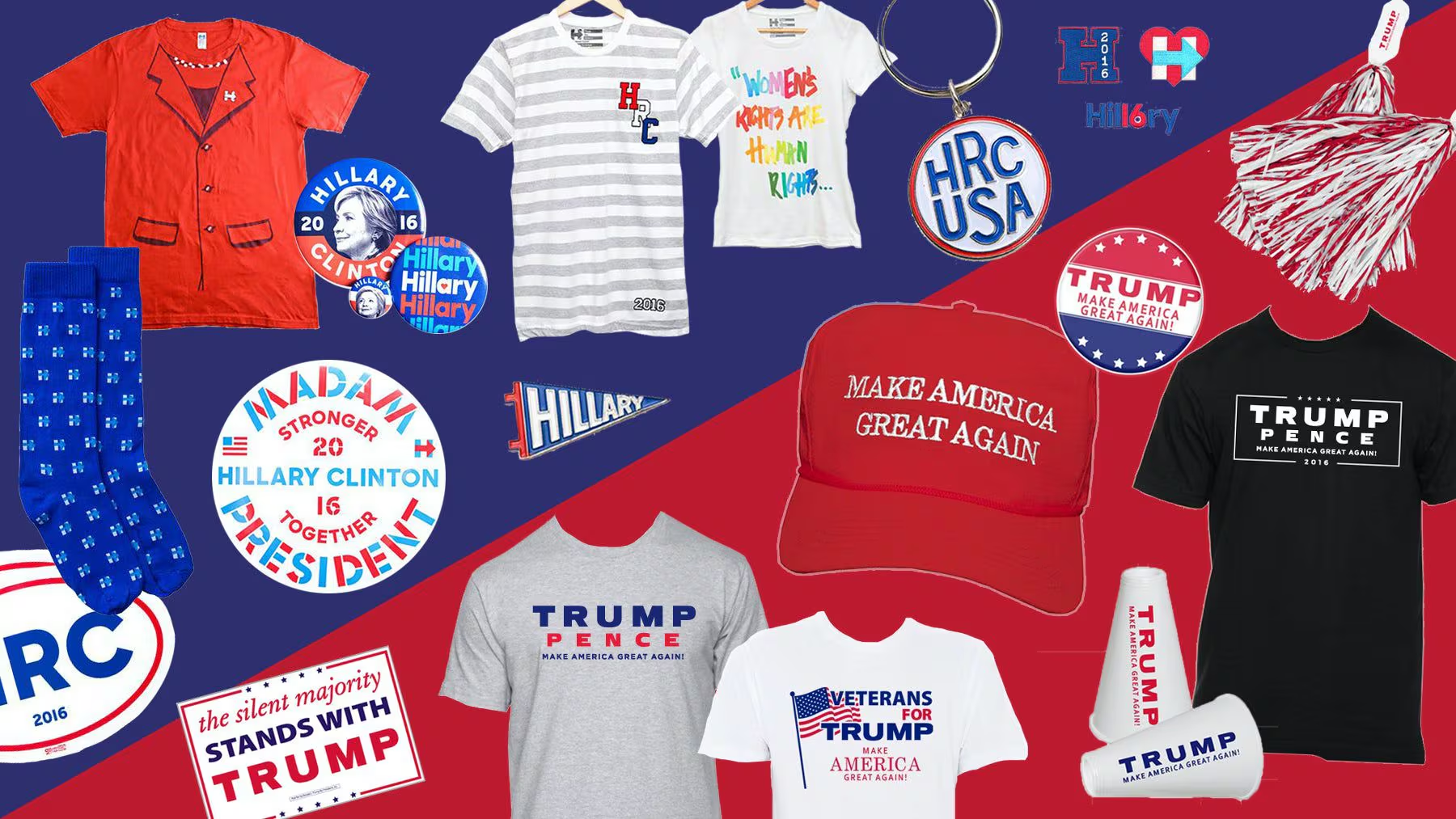
The Trump shirt trend began during the 2016 U.S. presidential election. Supporters wore shirts with Trump’s name, face, or slogans to signal loyalty. Critics used similar shirts to express satire or protest. Their widespread presence at rallies, protests, and online quickly turned them into markers of both allegiance and opposition.
Opportunities and Challenges for Apparel Brands
For apparel companies, Trump shirts created both openings and obstacles. Aligning with a polarizing figure risked alienating parts of the market. But the intense political energy also created opportunities for high sales and engagement. Brands had to balance profit potential against reputational risk.
Key Marketing Strategies Behind the Trend
1. Speed and Timing
Timing mattered. Companies that reacted quickly to political moments stayed relevant. Those able to launch designs in response to viral events gained a competitive edge.
2. Customization and Personalization
Consumers wanted shirts that reflected their personal views. Companies offering customizable slogans or images saw higher engagement. Personalization expanded the product’s appeal beyond traditional political boundaries.
3. Social Media and Influencer Partnerships
Social platforms amplified the trend. Brands partnered with influencers who aligned with their target audiencewhether pro-Trump or anti-Trump. These collaborations helped companies tap into large, established communities.
Risks of Entering a Polarized Market
The Trump shirt market carried significant risk. Political division meant that any association with Trump could provoke backlash. A single misstep in messaging or design could escalate into a public relations crisis and hurt brand credibility.
Another challenge was the short-lived nature of political trends. Demand surged quickly but could collapse just as fast. Companies that invested heavily risked ending up with unsold inventory when interest declined.
How the Market Changed During and After Trump’s Presidency
As Trump’s presidency progressed, the meaning of the Trump shirt shifted. What started as a symbol of enthusiasm became, for many, a reminder of a turbulent political era. After the 2020 election, demand declined sharply. Supporters lost momentum, while critics moved on to new issues. The Trump shirt gradually faded into political memorabilia.
Lessons for Modern Brands
1. Understand Consumer Sentiment
The Trump shirt trend shows the importance of tracking cultural and political moods. Successful brands stay informed and adapt quickly to new consumer attitudes.
2. Weigh Risks of Political Alignment
Aligning with polarizing figures may bring short-term gains but can cause long-term harm. Brands must evaluate whether the benefits outweigh the reputational risks.
3. Stay Agile and Adaptable
The rapid rise and fall of the Trump shirt demonstrates the need for flexibility. Companies that adjust to shifting behavior or sentiment are better prepared for volatile markets.
In a broader sense, the Trump shirt phenomenon also illustrates how modern consumers use clothing as a form of expression in an era shaped by identity, values, and social positioning. Wearing or rejecting a Trump shirt was rarely a neutral choice. Instead, it often signaled belonging, resistance, or commentary on current events connected to Donald Trump and his impact on public discourse. This shows that apparel can function as a powerful communication tool, transforming everyday fashion into a visible statement within cultural and political conversations.
Looking ahead, brands can apply these insights to future trend-driven markets, whether political, cultural, or social. The rise and fall of the Trump shirt reminds businesses to approach controversial trends with strategic caution, clear values, and strong crisis management plans. By understanding their audience, preparing for rapid shifts in demand, and protecting long-term brand trust, companies can navigate polarized markets more effectively while remaining resilient in an increasingly unpredictable consumer landscape.
Conclusion
The story of the Trump shirt goes beyond politics. It highlights how branding, culture, and consumer behavior intersect in today’s polarized world. From its rapid rise to its eventual decline, the Trump shirt reflects the challenges and opportunities of political marketing. By studying this phenomenon, businesses can gain valuable insights into managing risk, responding to trends, and navigating the complex relationship between commerce and politics.